Blog

  • Merdeka Generation Package vs Pioneer Generation Package: Key Differences Explained

    If you’re a Singaporean senior or helping an older family member navigate government healthcare subsidies, you’ve probably heard about both the Pioneer Generation and Merdeka Generation packages. These two schemes sound similar, and many people confuse them. But they’re designed for different age groups, offer different benefits, and have distinct eligibility rules. Getting clarity on which package applies to you or your loved one can save thousands of dollars in healthcare costs over the years.

    Key Takeaway

    Pioneer Generation covers Singaporeans born in 1949 or earlier who became citizens by 1986, offering more extensive subsidies. Merdeka Generation includes those born between 1950 and 1959 who became citizens by 1996, with slightly reduced but still substantial healthcare benefits. Both provide lifetime outpatient subsidies, MediShield Life premium support, and additional Medisave top-ups, but Pioneer Generation members receive higher subsidy rates and more comprehensive coverage across all benefit categories.

    Who qualifies for each generation package

    The most fundamental difference lies in birth year and citizenship timing.

    Pioneer Generation members were born in 1949 or earlier and obtained Singapore citizenship by 31 December 1986. This group includes our oldest seniors who lived through the nation’s formative years and independence.

    Merdeka Generation members were born between 1950 and 1959 and became Singapore citizens by 31 December 1996. The term “Merdeka” refers to the period around Singapore’s independence in 1965, when these individuals were in their formative years.

    If you’re unsure which category you fall into, how to check if you qualify for the merdeka generation package in 2024 walks through the verification process step by step.

    The government automatically enrolled eligible citizens into these programmes. You don’t need to apply separately. If you qualify, you should have received your card by mail at your registered address.

    Healthcare subsidy differences at a glance

    Both packages aim to make healthcare more affordable, but the subsidy amounts differ significantly.

    Benefit Type Pioneer Generation Merdeka Generation
    CHAS subsidy per visit Up to $18.50 for common conditions Up to $14.50 for common conditions
    Polyclinic subsidy 50% off bills 25% off bills
    Specialist Outpatient Clinic subsidy 50% off subsidised bills 25% off subsidised bills
    MediShield Life premium subsidy Additional subsidies for life Additional subsidies for life
    Annual Medisave top-up Yes, for eligible members $200 per year (2019-2023, extended)

    Pioneer Generation members enjoy higher subsidy rates across all categories. This reflects the government’s recognition of their earlier contributions during Singapore’s most challenging years.

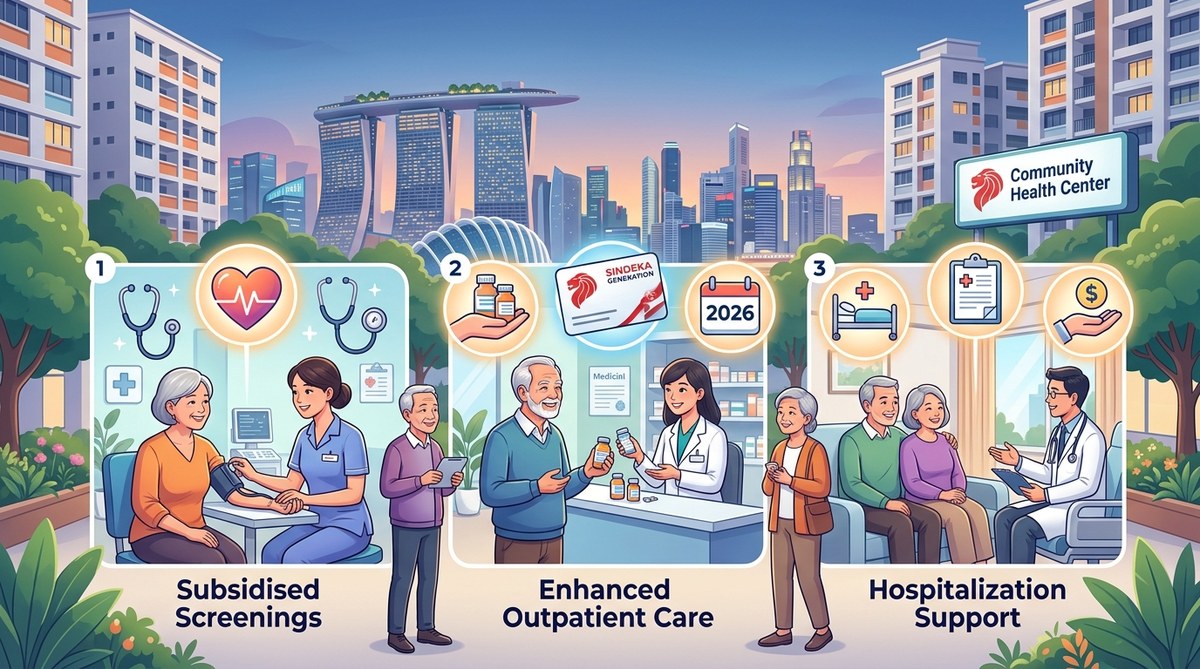
    For common conditions like diabetes, high blood pressure, and high cholesterol, Pioneer Generation seniors pay less out of pocket at participating CHAS clinics. The difference might seem small per visit, but it adds up over years of regular medical appointments.

    Outpatient care subsidies explained

    Both generations receive subsidies for outpatient care, but the structure differs.

    Pioneer Generation members get automatic CHAS subsidies without needing to meet income criteria. They can visit any CHAS clinic and receive subsidies for common chronic conditions. The subsidy applies even if they don’t have a CHAS card based on income assessment.

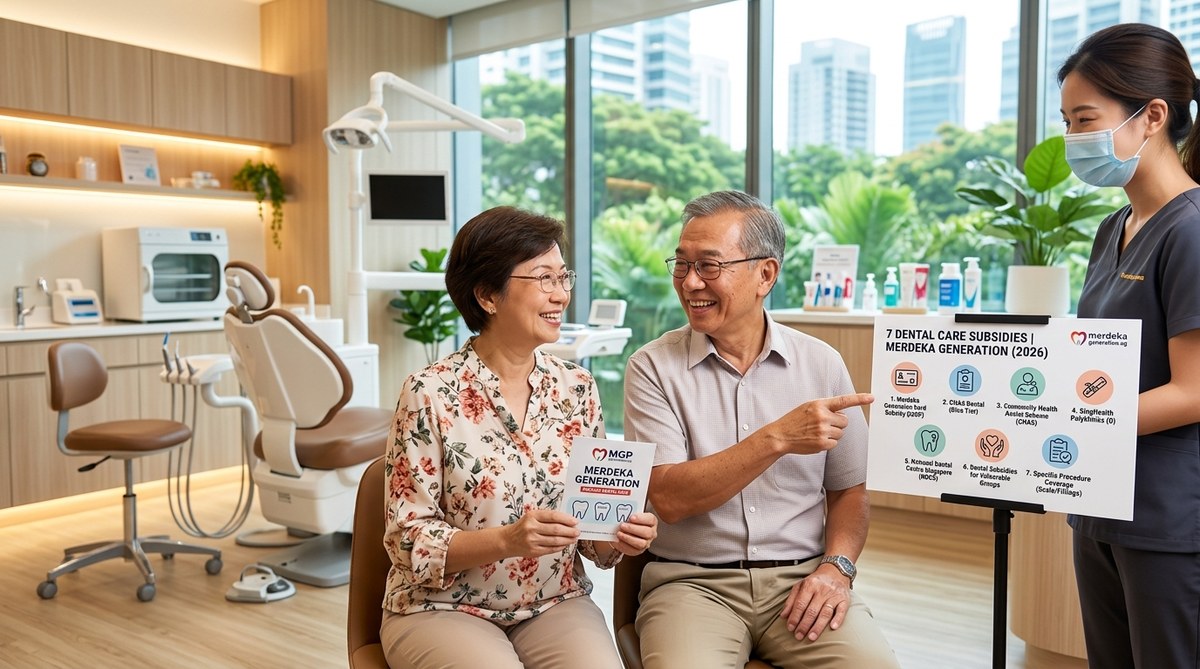
    Merdeka Generation members also receive CHAS subsidies automatically. They can visit CHAS GP clinics and dental clinics that participate in the scheme. The subsidy covers consultations, medications, and basic treatments for chronic conditions.

    At polyclinics, Pioneer Generation seniors enjoy 50% off their bills after government subsidies. Merdeka Generation members get 25% off. This difference becomes significant for seniors who prefer polyclinic care or need regular specialist referrals.

    For Specialist Outpatient Clinics at public hospitals, the same pattern holds. Pioneer Generation members receive 50% off subsidised bills, while Merdeka Generation members get 25% off.

    “Many seniors don’t realise they can combine their generation package subsidies with existing CHAS benefits. You’re not choosing one or the other. The subsidies stack, making healthcare even more affordable than people expect.”

    MediShield Life premium support

    Both packages include MediShield Life premium subsidies, but the amounts vary.

    Pioneer Generation members receive additional premium subsidies ranging from 60% to 80% of their annual premiums, depending on their birth cohort. Older Pioneer Generation members get higher subsidies.

    Merdeka Generation members receive additional premium subsidies of 5% of their annual MediShield Life premiums. This is on top of any existing premium subsidies they already qualify for based on income.

    These subsidies apply for life. They help reduce the ongoing cost of maintaining essential health insurance coverage as medical expenses rise with age.

    How to maximise your medishield life coverage as a merdeka generation senior provides strategies for getting the most value from your coverage.

    Medisave top-up benefits

    The Medisave component differs between the two programmes.

    Pioneer Generation members who had lower Medisave balances received special top-ups to help them build their healthcare savings. The government provided these top-ups to ensure older seniors had sufficient Medisave to cover basic medical needs.

    Merdeka Generation members receive $200 annual Medisave top-ups. This benefit was initially scheduled from 2019 to 2023 but has been extended. The top-up happens automatically each year. You don’t need to apply or take any action.

    Understanding your $200 annual mg card top-up: when it comes and how to use it covers timing and usage details.

    These Medisave funds can pay for:

    • Approved outpatient treatments
    • Hospitalisation expenses
    • Day surgery procedures
    • Chronic disease management programmes
    • MediShield Life premiums
    • Long-term care insurance premiums

    CareShield Life participation incentives

    CareShield Life is Singapore’s long-term care insurance scheme for severe disability.

    Pioneer Generation members who joined CareShield Life received special incentives. Those who opted in by 30 September 2021 received premium subsidies and additional payouts if they became severely disabled.

    Merdeka Generation members who joined CareShield Life by 31 December 2021 received a $1,500 CareShield Life matching top-up. The government matched up to $1,500 of their CareShield Life premium payments or top-ups made between 1 October 2020 and 31 December 2021.

    Both generations can use their Medisave to pay CareShield Life premiums, making the coverage more accessible without affecting daily cash flow.

    How to use your generation card

    Both Pioneer Generation and Merdeka Generation cards work similarly at the point of care.

    When you visit a participating clinic or healthcare facility:

    1. Present your generation card along with your NRIC at registration
    2. Inform the staff that you’re a Pioneer or Merdeka Generation member
    3. The clinic will automatically apply your subsidies to the bill
    4. Pay only the remaining amount after all subsidies are deducted

    Your card serves as proof of eligibility. Keep it with you whenever you seek medical care. Most seniors keep their generation card together with their NRIC for convenience.

    If you’ve misplaced your card, don’t panic. What happens if you lost your merdeka generation card explains the replacement process.

    Healthcare providers can verify your status using your NRIC even without the physical card. But having the card makes the process smoother and faster.

    Common mistakes to avoid

    Many seniors leave money on the table by not fully utilising their benefits.

    Some common errors include:

    • Not checking if their regular clinic participates in CHAS
    • Forgetting to present their generation card at appointments
    • Assuming subsidies apply automatically without informing clinic staff
    • Not tracking their Medisave balance to ensure top-ups are received
    • Visiting non-participating clinics when subsidised options are available nearby

    5 common mistakes merdeka generation seniors make when claiming benefits provides detailed examples and solutions.

    Another frequent confusion involves family members. Your generation card benefits are personal. They don’t extend to your spouse or children unless they qualify independently. Can your spouse enjoy merdeka generation benefits if only you qualify clarifies this common question.

    Which package offers better value

    The honest answer is that Pioneer Generation benefits are more generous across every category.

    Pioneer Generation members receive:

    • Higher outpatient subsidies per visit
    • Greater percentage discounts at polyclinics and specialist clinics
    • Larger MediShield Life premium subsidies
    • Earlier access to special Medisave top-ups

    Merdeka Generation benefits are substantial but scaled back:

    • Lower but still meaningful outpatient subsidies
    • Smaller percentage discounts at government facilities
    • Modest MediShield Life premium support
    • Consistent annual Medisave top-ups

    The difference reflects the government’s graduated approach to honouring different cohorts based on their era of contribution. Pioneer Generation seniors lived through harder times and received recognition accordingly.

    That said, Merdeka Generation members still receive significant support. The subsidies can save thousands of dollars annually, especially for those managing chronic conditions requiring regular medical attention.

    Planning your healthcare finances

    Understanding your generation package helps you plan retirement healthcare costs more accurately.

    Calculate your expected annual medical expenses based on:

    • Regular GP visits for chronic condition monitoring
    • Specialist appointments if you have ongoing health issues
    • Medication costs for long-term prescriptions
    • Preventive screenings and health checks
    • Dental care needs

    Then factor in your generation package subsidies to estimate your actual out-of-pocket costs. This gives you a realistic picture of how much to budget for healthcare each year.

    Many seniors find that their generation package subsidies, combined with Medisave, cover most routine medical expenses. This frees up cash for other retirement needs and wants.

    For couples where only one spouse qualifies for a generation package, budget separately for each person’s healthcare costs. The non-qualifying spouse will pay standard rates without the additional subsidies.

    Beyond the two generation packages

    Singapore has introduced newer support schemes for younger cohorts.

    The Majulah Package, announced in Budget 2024, targets Singaporeans born between 1960 and 1973. This reflects the government’s ongoing commitment to supporting seniors as they age, adapted to each generation’s specific needs and circumstances.

    If you were born after 1959, you won’t qualify for either Pioneer or Merdeka Generation packages. But you may be eligible for future schemes designed for your age group.

    Existing support like CHAS based on income, MediShield Life, and other healthcare subsidies remain available regardless of generation package eligibility.

    Why these distinctions matter for your family

    Understanding pioneer generation vs merdeka generation differences helps families make better healthcare decisions.

    If you’re caring for elderly parents, knowing their exact benefits helps you choose the right clinics and healthcare providers. You can prioritise CHAS clinics where their subsidies stretch furthest.

    For financial planning, accurate knowledge of subsidies prevents both overspending and underutilising available support. Some families unnecessarily restrict medical care because they overestimate costs, not realising how much the generation packages cover.

    The subsidies also influence decisions about upgrading to private healthcare or purchasing additional health insurance. With strong government support, some seniors find they don’t need as much supplementary coverage as they initially thought.

    These packages represent Singapore’s social compact with its older citizens. They’re not charity but recognition of contributions made during the nation’s development. Understanding them fully ensures you or your loved ones receive every benefit earned through decades of nation building.

  • Understanding Your $200 Annual MG Card Top-Up: When It Comes and How to Use It

    You just received your new MGM Rewards credit card in the mail. The annual fee stings a little, but you signed up for one big reason: that generous $200 resort credit. Now you’re wondering when it actually appears in your account, what it covers, and whether you can use it for that spa treatment you’ve been eyeing.

    Key Takeaway

    The MGM card $200 annual credit posts within one to two billing cycles after your account anniversary. It applies automatically to eligible resort charges like dining, spa services, and entertainment at MGM properties. The credit expires 12 months after posting and does not roll over, so plan your visits accordingly to capture the full value before it resets.

    Understanding when your $200 credit actually arrives

    Your MGM Rewards credit card anniversary date determines when the credit posts.

    This is not the date you were approved. It’s the date your account officially opened, which typically appears on your first statement.

    Most cardholders see the credit appear within the first billing cycle after their anniversary. Some report it showing up in the second cycle, especially if the anniversary falls near the end of a billing period.

    Here’s what you need to know about timing:

    1. Check your account opening date in your online portal or on your original welcome letter.
    2. Mark your calendar for one month before that date to start planning your MGM visit.
    3. Log into your account regularly during the anniversary month to confirm the credit has posted.
    4. Contact customer service if the credit hasn’t appeared by the end of your second billing cycle after the anniversary.

    The credit appears as a statement credit pool, not as cash in your account. You won’t see $200 sitting there waiting. Instead, eligible charges automatically draw from this credit when they post to your account.

    What purchases actually qualify for the resort credit

    Not every charge at an MGM property counts toward your $200 benefit.

    The credit covers specific resort amenities and services. Room rates and casino gaming do not qualify, which surprises many new cardholders.

    Here’s what does qualify:

    • Dining at MGM restaurants, cafes, and bars
    • Spa and salon services
    • Entertainment tickets purchased through MGM
    • Pool cabanas and daybed rentals
    • Golf at MGM courses
    • Fitness classes and personal training sessions

    Here’s what doesn’t:

    • Hotel room charges
    • Resort fees
    • Gaming and sports betting
    • Retail purchases in MGM shops
    • Third-party vendor services inside the property

    The easiest way to maximise your credit is to focus on dining. A nice dinner for two at an MGM signature restaurant can easily reach $150 to $200 when you include drinks and dessert.

    Spa treatments also work well. A massage or facial typically ranges from $120 to $180, letting you use most of the credit in a single visit.

    “Plan at least one substantial visit to an MGM property within your credit year. Trying to use $200 across multiple small purchases often leads to unused credit expiring.” – MGM Rewards cardholder forum moderator

    How the credit applies to your purchases

    The system works automatically once you use your MGM Rewards card for qualifying purchases.

    You don’t need to activate anything or tell the cashier you want to use your resort credit. When an eligible charge posts to your account, the system deducts it from your available credit balance.

    Your statement will show:

    • The original charge amount
    • A corresponding credit that offsets the charge
    • Your remaining resort credit balance

    If you spend $75 on dinner, you’ll see a $75 charge and a $75 credit. Your resort credit balance drops from $200 to $125.

    This continues until you’ve used the full $200 or your credit expires, whichever comes first.

    One important detail: the credit applies after the transaction posts, not at the point of sale. You’ll still see the full charge initially. The credit appears within one to three business days.

    Tracking your remaining credit balance

    Knowing how much credit you have left prevents unpleasant surprises.

    The MGM Rewards app shows your current resort credit balance in the account benefits section. This updates within 24 hours of any eligible purchase posting.

    You can also:

    1. Log into your online account and navigate to the rewards summary page.
    2. Call the number on the back of your card and ask a representative for your current balance.
    3. Review your monthly statement, which lists resort credit activity in the benefits section.

    Set a reminder to check your balance before booking any MGM services. This helps you plan purchases that fully use your remaining credit without overspending.

    If you have $80 left and you’re booking a spa treatment, you might choose the $85 package instead of the $120 option to avoid paying out of pocket.

    Common mistakes that waste your annual credit

    Many cardholders leave money on the table without realising it.

    The biggest mistake is forgetting about the credit entirely. Life gets busy, and that anniversary date sneaks up on you. Suddenly it’s been 13 months and you’ve used nothing.

    Other errors include:

    • Assuming room charges qualify when they don’t
    • Booking through third-party sites instead of directly with MGM
    • Using a different payment method at checkout
    • Not checking the expiration date
    • Trying to get cash back or transfer the credit
    Mistake Why It Happens How to Avoid It
    Credit expires unused No travel plans to MGM properties Schedule at least one visit per year or gift dining to family
    Wrong card used at checkout Carrying multiple cards Tell server specifically to charge your MGM Rewards card
    Booking through third parties Better rates elsewhere Compare total cost including lost credit value
    Assuming all charges qualify Unclear terms Review qualifying categories before your visit

    The credit cannot be converted to cash, statement credits for non-MGM purchases, or MGM Rewards points. It’s use it or lose it.

    Planning your visits to maximise the benefit

    Strategic planning ensures you capture the full $200 value.

    If you visit Las Vegas regularly, this is straightforward. Schedule one nice dinner during each trip and you’ll use the credit naturally throughout the year.

    For occasional visitors, you need to be more intentional:

    1. Plan at least one MGM property visit within your credit year.
    2. Book a spa day or special dinner to use a large portion in one go.
    3. Consider visiting MGM properties outside Las Vegas if you travel to other cities where they operate.
    4. Invite family or friends and treat them to dinner using your credit.

    MGM operates properties beyond Las Vegas. You’ll find eligible locations in Detroit, Mississippi, Massachusetts, Maryland, New Jersey, New York, and Ohio.

    International travellers can use the credit at MGM Macau and MGM Cotai in China.

    Check the MGM Rewards website for the complete property list before planning your trip.

    What happens if you upgrade or downgrade your card

    Card changes affect your resort credit differently depending on timing.

    If you upgrade from the standard MGM Rewards card to the Iconic version mid-year, you typically receive the $200 credit immediately after the upgrade processes. This is separate from any credit you may have already used on your previous card.

    Downgrading works differently. You lose access to the resort credit benefit on your downgrade date. Any unused credit from your Iconic card disappears.

    The same applies if you close your account. Unused resort credit does not transfer and cannot be claimed after closure.

    Product changes also reset your anniversary date in some cases. Contact customer service before making any changes to understand how it affects your specific account.

    Combining the credit with other MGM benefits

    Your resort credit stacks with other MGM Rewards program perks.

    As a cardholder, you automatically receive Pearl tier status or higher depending on your card version. This comes with additional benefits:

    • Room rate discounts
    • Complimentary self-parking
    • Priority check-in and late checkout
    • Bonus points on eligible spending

    You can use your $200 resort credit on a spa treatment while also earning MGM Rewards points for that same purchase. The credit pays for the service, but you still accumulate points based on the original charge amount.

    This creates a compounding benefit that makes the annual fee easier to justify, especially if you visit MGM properties multiple times per year.

    Some cardholders also hold other hotel or travel credit cards with similar benefits. You cannot stack resort credits from different cards on the same purchase, but you can use them on separate transactions during the same visit.

    Handling disputes and credit issues

    Sometimes the credit doesn’t apply as expected.

    You might see an eligible charge post without the corresponding credit appearing. This usually resolves itself within three to five business days as the systems sync.

    If it doesn’t:

    1. Gather your receipt showing the qualifying purchase.
    2. Note the transaction date and amount.
    3. Call the customer service number on your card.
    4. Explain that an eligible resort charge didn’t receive the credit.
    5. Provide the transaction details when asked.

    Representatives can manually apply the credit if the system missed it. This typically processes within one billing cycle.

    Keep records of all MGM purchases until you confirm the credits have posted. A quick photo of your receipt works fine.

    If you’re told a purchase doesn’t qualify and you believe it should, ask for clarification on why. Sometimes front-desk staff or restaurant servers charge items incorrectly, which affects how the credit system categorises them.

    Making the most of every dollar

    The MGM card $200 annual credit delivers real value when you use it intentionally.

    Think of it as a $200 discount on your annual fee. If your card charges $395 per year, your effective cost drops to $195 after maximising the resort credit.

    That calculation only works if you actually use the full amount.

    Track your anniversary date carefully. Set phone reminders for three months before, one month before, and two weeks before your credit expires.

    Book your MGM visit during a time when you’ll genuinely enjoy the experience. Don’t force a trip just to use the credit if it means spending more on flights and accommodation than the credit is worth.

    For Singapore residents who travel to Las Vegas occasionally, consider timing your trip to align with your credit anniversary. This might mean shifting your annual Vegas visit by a month or two to capture the benefit.

    The credit also makes a thoughtful gift. If you can’t use it yourself, treat family members to a nice dinner during their Vegas trip. Just make sure you’re the one who pays with your MGM card.

    Getting the timing right matters more than you think

    Your MGM card $200 annual credit represents genuine value, but only if you claim it before it disappears.

    Unlike points that might sit in your account indefinitely, this credit has a hard expiration date. Twelve months after it posts, it vanishes whether you’ve used $5 or $195 of it.

    The cardholders who benefit most are those who treat the credit like a calendar appointment, not a nice-to-have perk. They know their anniversary date, they plan their MGM visits around it, and they check their account to confirm the credit posted as expected.

    Start by finding your exact account anniversary date today. Put it in your calendar with alerts. Then look at your travel schedule for the next 12 months and identify when you can realistically visit an MGM property.

    That simple planning step is the difference between cardholders who rave about the value and those who complain about wasting money on annual fees.

  • Can Your Spouse Enjoy Merdeka Generation Benefits If Only You Qualify

    Many married couples assume that government healthcare packages automatically cover both partners. The reality is more nuanced, especially when it comes to the Merdeka Generation Package. If you qualify but your spouse doesn’t, you might be wondering whether they can tap into any of your benefits or if they’re left to manage on their own.

    Key Takeaway

    Merdeka Generation benefits are individual entitlements that cannot be transferred or shared with a spouse. Each person must meet the eligibility criteria independently. However, non-qualifying spouses may access other government schemes like CHAS subsidies or MediShield Life premium support. Understanding these alternatives helps couples plan their healthcare finances more effectively and avoid gaps in coverage.

    Understanding the individual nature of Merdeka Generation benefits

    The Merdeka Generation Package was designed to recognise Singaporeans born between 1950 and 1959 who contributed to nation-building during critical years. The benefits are tied to individual citizenship and birth year, not household status.

    This means your spouse cannot use your Merdeka Generation subsidies, even if you’re legally married and sharing household expenses. The government tracks benefits through NRIC numbers, and each subsidy claim is matched to the qualifying individual’s medical records.

    Here’s what this means in practice. If you visit a CHAS clinic and receive your Merdeka Generation subsidy, your spouse cannot claim that same subsidy tier unless they also qualify. They would need to meet the eligibility requirements on their own merit.

    The same applies to MediSave top-ups, CareShield Life incentives, and MediShield Life premium subsidies. These flow directly into individual accounts and cannot be pooled or transferred between spouses.

    Why spousal transfers aren’t permitted

    Government healthcare schemes in Singapore operate on an individual entitlement basis for several important reasons.

    First, the benefits are structured to reward specific cohorts for their historical contributions. The Merdeka Generation saw Singapore through critical nation-building years, and the package honours that specific group.

    Second, allowing transfers would complicate administration and create potential for abuse. Tracking individual eligibility is straightforward. Tracking household arrangements, divorces, remarriages, and shared benefits would require a much more complex system.

    Third, Singapore’s healthcare financing philosophy emphasises personal responsibility alongside government support. Each citizen is expected to build their own MediSave, CPF, and insurance coverage throughout their working years.

    If you’re checking whether you qualify, remember that your qualification has no bearing on your spouse’s status. Each person stands on their own eligibility.

    What happens when only one spouse qualifies

    Let’s look at a common scenario. Mr Tan was born in 1955 and qualifies for the Merdeka Generation Package. His wife was born in 1961 and does not qualify because she falls outside the birth year range.

    When Mr Tan visits a CHAS GP, he pays around $18.50 after his Merdeka Generation subsidy. Mrs Tan, visiting the same clinic for the same condition, might pay $28.50 with her standard CHAS subsidy (assuming she qualifies for CHAS based on household income).

    At the polyclinic, Mr Tan enjoys an additional 25% discount on top of standard subsidies. Mrs Tan receives only the standard polyclinic subsidy rates.

    For MediShield Life premiums, Mr Tan receives an additional 5% to 10% subsidy. Mrs Tan does not get this extra discount, though she may qualify for other premium subsidies based on income.

    The gap can add up over time, especially if both spouses have chronic conditions requiring regular treatment.

    Alternative schemes your non-qualifying spouse can access

    Even if your spouse doesn’t qualify for Merdeka Generation benefits, they’re not without support. Several other schemes can help reduce their healthcare costs.

    CHAS subsidies are available to all Singaporean citizens based on household income and assessment type. If your spouse has chronic conditions, they can register for CHAS Chronic to receive subsidies at participating clinics.

    MediShield Life premium subsidies are available based on income. Lower-income seniors can receive significant premium support even without Merdeka Generation status.

    Pioneer Generation Package applies to those born in 1949 or earlier. If your spouse qualifies for this instead, they actually receive more generous benefits than the Merdeka Generation Package.

    Silver Support Scheme provides cash payouts to lower-income seniors who didn’t earn much during their working years. This can help offset healthcare costs indirectly.

    ElderShield or CareShield Life subsidies help with long-term care insurance premiums. While Merdeka Generation members get additional incentives, standard subsidies are still available to others.

    How to maximise household healthcare savings

    Since you can’t share Merdeka Generation benefits directly, focus on optimising each spouse’s individual entitlements.

    1. Register both spouses for all schemes they individually qualify for. Don’t assume one person’s benefits cover the household.
    2. Use the qualifying spouse’s Merdeka Generation card consistently at CHAS clinics and polyclinics to maximise subsidies.
    3. Check whether the non-qualifying spouse can access CHAS Chronic subsidies if they have chronic conditions.
    4. Review both spouses’ MediShield Life coverage and premium subsidies annually.
    5. Consider timing non-urgent treatments to take advantage of the qualifying spouse’s better subsidy rates where appropriate.

    Some couples try to work around the rules by having the qualifying spouse collect medication for both people. This doesn’t work. Doctors prescribe medication based on individual consultations and medical records. You cannot legally use someone else’s subsidised prescription.

    Common misunderstandings about spouse coverage

    Many people hold incorrect assumptions about how Merdeka Generation benefits work within marriages. Let’s clear up the most common ones.

    Misunderstanding Reality
    “My spouse can use my Merdeka Generation card at clinics” Cards are individual and tied to NRIC. Clinics verify identity before applying subsidies.
    “We can pool our MediSave top-ups” Top-ups go into individual MediSave accounts. Transfers between spouses follow standard MediSave rules, not special Merdeka Generation rules.
    “If I pass away, my spouse inherits my benefits” Benefits end with the qualifying individual. Spouses don’t inherit ongoing subsidies.
    “Household income affects my Merdeka Generation eligibility” Birth year and citizenship determine eligibility. Income doesn’t disqualify you, though it may affect other schemes like CHAS.
    “My foreign spouse can qualify if married long enough” Only Singapore citizens born 1950 to 1959 qualify. Permanent residents and foreigners are not eligible regardless of marriage.

    What to do if your spouse feels left out

    It’s natural for non-qualifying spouses to feel disappointed, especially when they see their partner receiving better subsidies for similar treatments. Here’s how to address this constructively.

    Acknowledge the feelings. The package creates a real financial gap between spouses born just a few years apart. That frustration is valid.

    Focus on what your spouse does qualify for. Help them register for CHAS, check their MediShield Life subsidies, and apply for any income-based support they’re entitled to.

    Plan your household healthcare budget based on the reality of different subsidy tiers. Don’t assume both spouses will have identical medical costs after subsidies.

    “Couples should view their combined healthcare subsidies as a household resource, even if they come from different schemes. The goal is total household healthcare affordability, not perfect equality between spouses.” – Financial planning perspective

    Consider how other household resources balance out. Perhaps the qualifying spouse’s better subsidies free up money for other family needs that benefit both partners.

    Special situations worth noting

    Some scenarios create unique considerations for married couples and Merdeka Generation benefits.

    Second marriages don’t change anything. If you remarry someone younger or older, their eligibility remains based on their own birth year. Your Merdeka Generation status doesn’t transfer.

    Spousal MediSave transfers follow existing MediSave rules. You can transfer MediSave to pay for your spouse’s medical bills or insurance premiums, but this has nothing to do with Merdeka Generation benefits specifically. The transferred funds don’t carry any special subsidy status.

    Widows and widowers don’t lose their Merdeka Generation benefits if their spouse passes away. Benefits continue for life as long as you remain a Singapore citizen.

    Separated or divorced couples each keep their individual benefits. There’s no provision for transferring benefits as part of divorce settlements because benefits aren’t considered divisible property.

    If you’ve lost your Merdeka Generation card, you can get a replacement, but you still can’t authorise your spouse to use your benefits in the meantime.

    Planning ahead for couples with mixed eligibility

    Long-term planning becomes important when one spouse has better healthcare subsidies than the other.

    Start by calculating the annual difference in healthcare costs between both spouses. If the non-qualifying spouse has chronic conditions, their higher out-of-pocket costs might add up to several hundred dollars yearly.

    Set aside this difference in your household budget. Don’t let it become a surprise expense that strains your retirement finances.

    Review your MediShield Life and private insurance coverage. The non-qualifying spouse might benefit more from upgrading to an Integrated Shield Plan if they face higher baseline costs.

    Keep good records of both spouses’ medical expenses. This helps you track whether the gap is widening and whether you need to adjust your healthcare budget.

    Consider the impact on your CPF planning. Since MediSave top-ups go to the qualifying spouse, think about how this affects each person’s ability to pay for future medical expenses from their own MediSave.

    When to seek personalised advice

    While the rules around Merdeka Generation benefits and spouses are straightforward, your household’s specific situation might warrant professional guidance.

    Talk to a financial planner if you’re struggling to balance healthcare costs between spouses with different subsidy levels. They can help you optimise your overall retirement healthcare strategy.

    Consult the Ministry of Health hotline if you’re unsure about your spouse’s eligibility for other schemes. Sometimes people miss out on subsidies they actually qualify for simply because they didn’t know to apply.

    Speak with a social worker if healthcare costs are becoming unmanageable for your household. Additional assistance programmes may be available based on your specific circumstances.

    Many people make common mistakes when claiming benefits. Getting advice early can help you avoid these pitfalls and ensure both spouses maximise their individual entitlements.

    Making peace with the system

    The Merdeka Generation Package wasn’t designed to cover households or families. It targets a specific generation of Singaporeans who built the nation during formative years.

    This means some couples will have asymmetric benefits. One spouse gets more subsidies, while the other relies on different schemes.

    Rather than viewing this as unfair, treat it as one piece of your household’s total healthcare financing puzzle. Your combined CPF, MediSave, insurance, and government subsidies all work together to keep healthcare affordable.

    The qualifying spouse should use their benefits fully and consistently. The non-qualifying spouse should register for every scheme they’re individually entitled to. Together, these individual entitlements create your household safety net.

    Supporting each other through healthcare decisions

    Healthcare becomes more important as we age. When one spouse has better subsidies, it’s tempting to prioritise their care or delay the other spouse’s treatments to save money.

    Resist this temptation. Both spouses deserve timely, appropriate medical care regardless of who gets better subsidies.

    Instead, use the subsidy difference to inform where you seek care. The qualifying spouse might choose CHAS clinics more often, while the non-qualifying spouse might benefit from polyclinic care where base subsidies are already high.

    Attend medical appointments together when possible. Understanding both spouses’ health needs helps you make informed decisions about household healthcare spending.

    Remember that subsidies exist to make healthcare affordable, not to ration care based on who qualifies for what. If treatment is needed, get it. The subsidies simply determine how much you’ll pay out of pocket.

    Your household healthcare strategy matters more than any single scheme

    No single government package covers every healthcare need for every family member. The Merdeka Generation Package is one tool among many.

    Your non-qualifying spouse isn’t locked out of affordable healthcare. They just access it through different channels. CHAS, MediShield Life subsidies, polyclinic subsidies, and other schemes remain available based on their individual circumstances.

    The key is understanding what each spouse qualifies for individually, then building a household healthcare budget that accounts for both realities. Track your combined medical expenses, use each person’s subsidies fully, and plan for the difference in your retirement budget.

    Healthcare costs will continue rising as both of you age. But with proper planning and full use of each spouse’s individual entitlements, you can keep these costs manageable without relying on benefits that simply aren’t designed to be shared.

  • How to Maximise Your MediShield Life Coverage as a Merdeka Generation Senior

    If you were born between 1950 and 1959, you belong to Singapore’s Merdeka Generation. You helped build modern Singapore during its formative years after independence. The government recognises your contributions through the Merdeka Generation Package, which includes special MediShield Life premium subsidies that many seniors don’t fully understand or claim. This guide breaks down exactly how these benefits work, how much you can save, and what steps you need to take to make the most of your coverage.

    Key Takeaway

    Merdeka Generation seniors receive additional MediShield Life premium subsidies on top of standard subsidies, reducing annual premiums by 5% for life. These subsidies apply automatically if you qualify, but understanding how they stack with other support schemes can save you hundreds of dollars yearly. Knowing your exact coverage and subsidy entitlements helps you plan healthcare expenses better and avoid unexpected out-of-pocket costs during retirement.

    Understanding Your MediShield Life Premium Subsidies

    MediShield Life is Singapore’s basic health insurance scheme that covers all citizens and permanent residents for life. Everyone pays premiums, but the government provides subsidies to keep costs affordable.

    As a Merdeka Generation senior, you get an extra 5% premium subsidy on top of the standard subsidies everyone else receives. This might sound small, but it adds up over the years.

    Here’s how the subsidy layers work:

    Standard premium subsidies depend on your age and income. Lower-income Singaporeans receive higher subsidies. The government adjusts these subsidies annually based on your household income assessment.

    Your Merdeka Generation subsidy sits on top of this. It’s a permanent 5% reduction that continues for as long as you live. You don’t need to reapply each year.

    The subsidies get deducted automatically from your MediShield Life premiums. You’ll see the reduced amount when CPF deducts your premium from your MediSave account.

    How Much You Actually Save Each Year

    Let’s look at real numbers. The exact savings depend on your age and income level, but here’s a practical example.

    A 70-year-old Merdeka Generation senior with moderate household income might pay around $800 annually for MediShield Life without any subsidies. With standard income-based subsidies, this might drop to $400. The additional 5% Merdeka Generation subsidy reduces it further to $380.

    That’s $20 saved in this example. Over 20 years, that’s $400 in savings. The percentage stays constant, but as premiums increase with age, the absolute dollar savings grow too.

    Age Group Typical Annual Premium After Standard Subsidy After MG Subsidy Annual Savings
    65-70 $750 $375 $356 $19
    71-75 $950 $475 $451 $24
    76-80 $1,200 $600 $570 $30

    These figures are illustrative. Your actual premiums and subsidies depend on your specific circumstances and the government’s annual premium adjustments.

    What the Merdeka Generation Package Actually Includes

    Beyond the MediShield Life premium subsidy, your Merdeka Generation Package includes other healthcare benefits that work together.

    You receive additional subsidies at Community Health Assist Scheme (CHAS) clinics. This means lower out-of-pocket costs when you visit participating GP clinics and dental clinics for common illnesses and chronic conditions.

    You also get extra subsidies at polyclinics and public specialist outpatient clinics. These subsidies apply automatically when you show your Merdeka Generation card at registration.

    The package includes CareShield Life participation incentives too. If you joined CareShield Life (Singapore’s long-term care insurance), you received a one-time payout to offset premiums.

    All these benefits work alongside your MediShield Life coverage. They’re designed to reduce your overall healthcare spending across different care settings.

    “Many Merdeka Generation seniors focus only on hospital coverage but forget that most healthcare spending happens at clinics and polyclinics. The combined subsidies across all these touchpoints create substantial savings over time.” – Healthcare financing advisor

    Steps to Confirm Your Subsidies Are Applied

    Your subsidies should apply automatically, but it’s wise to verify everything is working correctly.

    1. Check your CPF statement online or through the CPF mobile app. Look at your MediShield Life premium deductions. You should see the subsidised amount, not the full premium.

    2. Visit a polyclinic or CHAS clinic and ask the registration counter to confirm your Merdeka Generation status in their system. They can show you the subsidy tier applied to your visit.

    3. Review your annual MediShield Life premium notice. CPF sends this to your registered address. The notice breaks down your premium, subsidies applied, and the final amount payable.

    4. Call the CPF hotline if you notice any discrepancies. Have your NRIC ready. They can check your records and explain your premium breakdown over the phone.

    5. Keep your Merdeka Generation card accessible. While subsidies apply automatically through your NRIC, some clinics may ask to see the card for verification purposes.

    If you’re not sure whether you qualify for the Merdeka Generation Package, you can check if you qualify for the Merdeka Generation Package in 2024 through official channels.

    Common Scenarios Where Subsidies Get Missed

    Most Merdeka Generation seniors receive their subsidies without issues, but certain situations can cause problems.

    Outdated contact information: If CPF doesn’t have your current address, you might miss important notices about premium changes or subsidy adjustments. Update your contact details through the CPF website or at any CPF service centre.

    Incorrect income assessment: Your standard premium subsidies depend on household income. If your income data is outdated or incorrect, you might receive lower subsidies than you’re entitled to. You can update your income information through the Ministry of Health’s subsidy calculator or during your clinic visits.

    Lost or misplaced card: Your subsidies still apply even without the physical card, but some clinic staff might not process them correctly if they can’t verify your status quickly. If you’ve lost your Merdeka Generation card, request a replacement to avoid confusion at healthcare facilities.

    Overseas residence: If you live overseas for extended periods, your subsidies continue, but you need to ensure CPF has sufficient MediSave to deduct premiums. Set up automatic top-ups or designate someone to monitor your account.

    Changed citizenship status: Premium subsidies apply to Singapore citizens. If your citizenship status changed recently, verify with CPF that your records are updated correctly.

    Maximising Your Coverage Beyond Premium Subsidies

    The premium subsidy is just one part of optimising your MediShield Life coverage. Here are other ways to get more value:

    Understand your claim limits: MediShield Life covers large hospital bills but has claim limits for different procedures and ward classes. Know these limits so you can plan for potential out-of-pocket expenses.

    Consider an Integrated Shield Plan: These private insurance plans supplement MediShield Life coverage. They offer higher claim limits and coverage for private hospital wards. Premiums are higher, but they reduce your out-of-pocket costs for major treatments.

    Use MediSave wisely: Your MediShield Life premiums get deducted from MediSave. If your MediSave balance is healthy, you can use it to pay for Integrated Shield Plan premiums too, subject to withdrawal limits.

    Track your annual outpatient subsidy top-up: As a Merdeka Generation senior, you receive $200 annually in CHAS subsidy top-ups. This appears on your Merdeka Generation card and can be used at participating clinics. Understanding your $200 annual MG card top-up helps you plan regular health screenings and treatments.

    Review coverage annually: Healthcare needs change as you age. Review your MediShield Life coverage and any supplementary insurance each year to ensure they still match your health situation and financial capacity.

    What Happens When You Need to Make a Claim

    When you’re admitted to a public hospital, MediShield Life coverage applies automatically. You don’t need to submit claim forms separately.

    The hospital’s admission office will verify your coverage and subsidies when you register. They’ll explain your estimated bill, what MediShield Life covers, and your expected out-of-pocket amount.

    Your Merdeka Generation subsidies for outpatient care work differently. At CHAS clinics and polyclinics, the subsidy applies at the point of payment. You pay the reduced fee directly. There’s no separate claim process.

    For specialist outpatient clinics at public hospitals, the same principle applies. Show your NRIC or Merdeka Generation card at registration, and the system applies your subsidies automatically.

    Keep all receipts and bills. Even though claims are automatic, having records helps if you need to query any charges or verify subsidy applications later.

    Mistakes That Cost Merdeka Generation Seniors Money

    Several common errors lead to seniors paying more than necessary for healthcare.

    • Not updating income information regularly, resulting in lower subsidy tiers than entitled
    • Forgetting to bring NRIC to clinic visits, causing delays in subsidy application
    • Choosing ward classes not covered optimally by MediShield Life without understanding the cost difference
    • Not reviewing Integrated Shield Plan options when health needs change
    • Ignoring annual premium notices and missing important coverage updates
    • Paying for services out-of-pocket that could have been claimed through MediShield Life
    • Not using CHAS subsidies at participating clinics, paying higher fees at non-participating clinics instead

    Many seniors make common mistakes when claiming benefits simply because they’re not aware of all available support.

    Planning Healthcare Costs for the Long Term

    Your MediShield Life coverage and Merdeka Generation subsidies form the foundation of your healthcare financing, but they’re not the complete picture.

    Set aside funds for co-payments and deductibles. MediShield Life doesn’t cover 100% of bills. You’ll typically pay deductibles (the first portion of your bill) and co-insurance (a percentage of the remaining bill).

    Budget for non-covered services. Certain treatments, medications, and procedures fall outside MediShield Life coverage. Having separate savings for these expenses prevents financial stress during health emergencies.

    Factor in premium increases. MediShield Life premiums rise as you age. Even with subsidies, your annual premium will increase over time. Plan your MediSave contributions and withdrawals accordingly.

    Consider long-term care needs. MediShield Life covers acute hospital care, not long-term nursing or home care. CareShield Life addresses this gap, and as a Merdeka Generation senior, you received incentives to join.

    Discuss plans with family members. If adult children help with your healthcare decisions, make sure they understand your coverage, subsidies, and preferences for different care scenarios.

    When Your Spouse Has Different Coverage

    A common question arises when one spouse qualifies for Merdeka Generation benefits but the other doesn’t.

    Each person’s MediShield Life coverage and subsidies are individual. Your spouse’s subsidies depend on their own birth year and income assessment.

    If your spouse was born in 1949 or earlier, they might qualify for Pioneer Generation benefits instead, which include different subsidy rates and additional MediSave top-ups.

    If your spouse was born in 1960 or later, they receive standard MediShield Life subsidies based on income but not the Merdeka Generation premium subsidy.

    You can learn more about whether your spouse can enjoy Merdeka Generation benefits and how household income affects both your subsidy calculations.

    For household income assessments, both spouses’ incomes are considered. This affects your standard premium subsidy tier, though your 5% Merdeka Generation premium subsidy remains regardless of household income.

    Resources and Support Services Available

    Several government agencies and community organisations can help you understand and maximise your MediShield Life coverage.

    CPF Board: Handles all MediShield Life premium matters, subsidy calculations, and MediSave account queries. Visit their website, call their hotline, or visit a service centre for personalised assistance.

    Ministry of Health: Provides detailed information about the Merdeka Generation Package, healthcare subsidies, and policy updates. Their website includes subsidy calculators and eligibility checkers.

    Silver Generation Office: Community outreach teams visit seniors at home to explain healthcare schemes and benefits. They can help you understand your coverage and connect you with relevant services.

    Community Health Assist Scheme (CHAS) clinics: Participating clinics can explain how your subsidies work and help you choose the most cost-effective care options.

    Agency for Integrated Care (AIC): Offers guidance on long-term care planning, home care services, and financial assistance schemes that complement your MediShield Life coverage.

    Don’t hesitate to ask questions. Healthcare financing can be confusing, and these agencies exist specifically to help seniors understand their benefits.

    Making Informed Decisions About Your Healthcare Coverage

    Your MediShield Life coverage with Merdeka Generation subsidies provides a solid safety net, but understanding exactly what you have empowers better healthcare decisions.

    Know your coverage limits before you need them. Read your annual premium notice carefully. Ask questions when something is unclear.

    Compare costs across different healthcare providers. Public hospitals offer subsidised rates that work well with MediShield Life. Private hospitals cost more, even with Integrated Shield Plans.

    Time non-urgent procedures strategically. If you’re close to your MediShield Life deductible or claim limit for the year, timing can affect your out-of-pocket costs.

    Stay healthy to reduce healthcare needs. Your subsidies help when you need care, but preventing illness through regular screenings, exercise, and healthy eating reduces overall healthcare spending.

    Keep learning about new benefits and schemes. The government regularly introduces new support measures for seniors. Staying informed ensures you don’t miss out on additional help.

    Your Healthcare Coverage Works Best When You Understand It

    MediShield Life with your Merdeka Generation premium subsidy gives you affordable basic coverage for major medical expenses. The 5% additional subsidy might seem modest, but combined with your other Merdeka Generation benefits at clinics and polyclinics, it creates meaningful savings over your retirement years. Take time to verify your subsidies are applied correctly, understand what your coverage includes and excludes, and plan for healthcare costs beyond what insurance covers. Your contributions helped build Singapore, and these benefits acknowledge that. Make sure you’re getting everything you’re entitled to.

  • 5 Common Mistakes Merdeka Generation Seniors Make When Claiming Benefits

    Thousands of Singaporean seniors leave money on the table every year because they misunderstand how the Merdeka Generation Package works. Some miss deadlines. Others forget to bring the right documents. A few don’t even realise they qualify for subsidies they’ve already paid for through decades of taxes.

    These aren’t small oversights. They can cost you hundreds or even thousands of dollars in healthcare savings.

    Key Takeaway

    Many Merdeka Generation seniors lose out on healthcare subsidies by making five common mistakes: not verifying eligibility, missing auto-enrolment, forgetting their card, misunderstanding MediSave top-ups, and ignoring annual health screenings. Each error can cost hundreds of dollars yearly. This guide shows you how to claim every benefit you’re entitled to without confusion or delays.

    Assuming you’re automatically enrolled in everything

    The Merdeka Generation Package includes multiple benefits, but not all of them activate the moment you turn 60.

    Some subsidies require you to visit a clinic or hospital and present your Merdeka Generation card. Others need you to sign up through HealthHub or call a hotline.

    Many seniors assume that because they received their card in the mail, all benefits are already working. That’s not how it functions.

    Here’s what actually happens:

    • MediSave top-ups are credited automatically to your account once a year.
    • Outpatient subsidies only apply when you show your card at participating clinics.
    • Screen for Life health screenings require you to book an appointment and register.

    If you never activate certain benefits, you’ll pay full price without realising you qualified for a discount.

    “I went to my regular clinic for two years before the receptionist told me I could get extra subsidies with my Merdeka Generation card. I had the card at home the whole time but didn’t know I had to bring it.” — Mrs Lim, 64

    To avoid this mistake, check if you qualify for the Merdeka Generation Package first. Then make a list of every benefit and note which ones need action from you.

    Forgetting to bring your Merdeka Generation card

    Your card is the key that unlocks subsidies at the point of care.

    Without it, clinic staff can’t verify your eligibility. You’ll pay the standard rate and miss out on additional subsidies that could reduce your bill by 25% or more.

    Some seniors leave their card at home because they think their NRIC is enough. It’s not.

    Others worry about losing it, so they keep it locked away. That defeats the purpose.

    Here’s how to make sure you always have it when you need it:

    1. Store it in your wallet next to your NRIC. Treat it like a credit card you use regularly.
    2. Take a photo of both sides and save it in your phone. Some clinics accept digital proof if you forget the physical card.
    3. Set a reminder on your phone before medical appointments to double-check you have your card.

    If you’ve already lost your card, you can find out what happens if you lost your Merdeka Generation card and how to get a replacement without paying a fee.

    Mistake Consequence Solution
    Leaving card at home Pay full price instead of subsidised rate Keep card in wallet with NRIC
    Never received card Miss all subsidies at clinics Call MOH hotline to request reissue
    Card damaged or faded Staff can’t scan barcode Request replacement online via HealthHub

    Misunderstanding how MediSave top-ups work

    Every year, eligible Merdeka Generation seniors receive a MediSave top-up. The amount varies depending on your birth year and when the scheme was announced.

    But many seniors don’t realise the top-up is a one-time annual credit, not a monthly deposit.

    Some check their MediSave balance in February and see no change. They assume they didn’t get the top-up. In reality, it may arrive in March or April.

    Others confuse the Merdeka Generation top-up with other government schemes like Workfare or GST Vouchers. These are separate programmes with different eligibility rules.

    Here’s what you need to know:

    • The top-up goes directly into your MediSave account. You don’t need to apply for it.
    • It happens once per year, usually in the first quarter.
    • You can check your MediSave balance anytime through the CPF mobile app or HealthHub.

    If you don’t see the credit after six months, call CPF at 1800-227-1188 to ask why.

    Don’t assume you’re ineligible just because the timing doesn’t match your expectations.

    Skipping annual Screen for Life health checks

    The Merdeka Generation Package includes subsidised health screenings to catch chronic conditions early.

    These screenings cover diabetes, high blood pressure, high cholesterol, and certain cancers. They’re free or heavily subsidised depending on your income.

    But you have to book them yourself. They don’t happen automatically.

    Many seniors skip these checks because they feel healthy or don’t want to “waste time” at the polyclinic. That’s a costly mistake.

    Catching a condition early can save you thousands of dollars in treatment later. It can also prevent complications that affect your quality of life.

    Here’s how to make the most of your screening benefits:

    1. Log in to HealthHub and search for “Screen for Life” to see which screenings you’re due for.
    2. Book an appointment at your nearest polyclinic or participating clinic.
    3. Bring your Merdeka Generation card to enjoy the full subsidy.

    If you’re unsure which screenings apply to you, ask the clinic staff during your next visit. They can check your eligibility and book future appointments on the spot.

    Not keeping up with scheme updates

    Government schemes change. New benefits get added. Old rules get revised.

    If you only read the original Merdeka Generation Package brochure from 2019, you’re missing out on improvements made since then.

    For example, the government has expanded the list of chronic conditions covered under the Community Health Assist Scheme (CHAS). They’ve also increased subsidy amounts for certain treatments.

    But unless you actively check for updates, you won’t know about them.

    Here’s how to stay informed without getting overwhelmed:

    • Subscribe to MOH email updates so you get notifications when policies change.
    • Check the official Merdeka Generation website once every six months for the latest information.
    • Ask your clinic staff during routine visits if there are any new subsidies you should know about.

    You can also follow trusted Facebook groups or community centres that share updates in plain English. Just make sure the source is reliable and not spreading rumours.

    Common myths that lead to mistakes

    Let’s clear up a few misconceptions that cause seniors to miss out on benefits:

    Myth 1: You need to reapply every year.

    False. Once you’re enrolled, your benefits continue automatically as long as you remain eligible.

    Myth 2: The package only covers government hospitals.

    False. Many private clinics and specialist centres participate in the scheme. Check the CHAS clinic locator to find participating providers near you.

    Myth 3: If you have other subsidies, you can’t use Merdeka Generation benefits.

    False. In most cases, Merdeka Generation subsidies stack on top of existing schemes like CHAS or MediShield Life. You get more savings, not less.

    Myth 4: You lose your benefits if you move to a different address.

    False. Your eligibility is tied to your NRIC and birth year, not your residential address.

    How to fix mistakes you’ve already made

    If you’ve been missing out on benefits for months or even years, don’t panic. You can still recover some of the value.

    Here’s what to do:

    • For missed subsidies at clinics: Ask your clinic if they can retroactively apply the discount to past visits. Some will, especially if you have receipts.
    • For missed MediSave top-ups: Call CPF to confirm whether the credit was issued. If it was, you’ll see it in your transaction history.
    • For missed health screenings: Book your next appointment as soon as possible. The subsidies don’t expire as long as you’re still eligible.

    You can’t turn back time, but you can make sure you don’t repeat the same mistakes going forward.

    What to do right now

    Take these three actions today to avoid future merdeka generation benefits claiming mistakes:

    1. Find your Merdeka Generation card and put it in your wallet. If you can’t find it, request a replacement immediately.
    2. Log in to HealthHub and check your MediSave balance to confirm your top-up was credited.
    3. Book your next Screen for Life appointment if you haven’t had a health screening in the past 12 months.

    These steps take less than 30 minutes but can save you hundreds of dollars every year.

    Making every benefit count

    The Merdeka Generation Package exists because you helped build Singapore into what it is today. You’ve earned these benefits through decades of hard work.

    Don’t let simple mistakes rob you of savings that are rightfully yours. Keep your card handy, stay informed about updates, and use every subsidy available to you.

    Your health and your wallet will thank you.

  • What Happens If You Lost Your Merdeka Generation Card

    Losing your Merdeka Generation card can feel stressful, especially when you rely on it for medical subsidies and outpatient care. The good news is that your benefits remain active even without the physical card. Your eligibility is tied to your NRIC, not the card itself. Still, having a replacement makes accessing services smoother and gives you peace of mind.

    Key Takeaway

    Your Merdeka Generation benefits stay active even if you lose your card. The card is a convenience tool, not a requirement. You can request a replacement by calling the hotline at 1800-650-6060. Clinics can verify your eligibility using your NRIC. Keep your replacement card safe by storing it with your CHAS card or in a dedicated cardholder to avoid future loss.

    Your Benefits Continue Without the Card

    Many people worry that losing the card means losing their subsidies.

    That is not true.

    Your Merdeka Generation status is registered in the national database. Polyclinics, CHAS clinics, and public specialist outpatient clinics can confirm your eligibility using your NRIC number. The card serves as a visual reminder and a convenient reference, but it does not control your access to benefits.

    If you visit a clinic without your card, simply inform the staff that you are a Merdeka Generation member. They will check your NRIC and apply the appropriate subsidies. This process takes a few extra seconds but does not affect your entitlements.

    Your MediShield Life premium subsidies and CareShield Life participation incentives also remain unaffected. These are tied to your identity, not to the physical card.

    How to Request a Replacement Card

    Getting a new card is straightforward.

    Follow these steps:

    1. Call the Merdeka Generation hotline at 1800-650-6060.
    2. Provide your NRIC number and confirm your personal details.
    3. Explain that you need a replacement card due to loss or damage.
    4. The operator will verify your eligibility and arrange for a new card to be mailed to your registered address.
    5. Wait for the card to arrive within two to three weeks.

    There is no fee for the replacement. The government provides this service at no cost because they recognise the importance of the card for daily use.

    If your registered address has changed, update it during the call. This ensures the card reaches you without delay. You can also update your address online through Singpass or at any government service centre.

    Keep your NRIC handy when you call. The hotline operator will need it to verify your identity and process the replacement request efficiently.

    What to Do While Waiting for Your Replacement

    You do not need to pause your medical visits.

    Continue visiting your regular clinics and polyclinics. Inform the reception staff that you are waiting for a replacement Merdeka Generation card. They will verify your status using your NRIC and apply the subsidies as usual.

    Some people prefer to carry a copy of their welcome letter or any previous correspondence from the Merdeka Generation office. This is optional but can speed up verification at clinics that are less familiar with the process.

    If you also have a CHAS card, bring it along. Many CHAS clinics are used to checking eligibility through multiple schemes, and having your CHAS card on hand can make the process smoother.

    Common Concerns About Lost Cards

    Here are the questions most people ask:

    • Will I be charged full price at the clinic? No. Once the clinic verifies your NRIC, you receive the same subsidies as before.
    • Can someone misuse my lost card? The card has no financial value on its own. It cannot be used to withdraw money or access your accounts. It simply identifies you as a Merdeka Generation member.
    • Do I need to report the loss to the police? No. Unlike losing your NRIC or passport, there is no need to file a police report for a lost Merdeka Generation card.
    • What if I find the old card after receiving the replacement? You can keep both. The new card will have the same information. There is no harm in having a spare.

    Comparing Card Loss Scenarios and Solutions

    Different situations require slightly different approaches. This table breaks down the most common scenarios:

    Scenario What Happens Action to Take
    Card lost at home Benefits continue, card may turn up Request replacement if not found within a week
    Card lost outside Benefits continue, unlikely to recover Call hotline immediately for replacement
    Card damaged but readable Benefits continue, card still usable Request replacement if it causes issues at clinics
    Card damaged and unreadable Benefits continue, card not usable Call hotline for replacement right away
    Address changed since receiving card Benefits continue, new card sent to old address Update address before requesting replacement

    Preventing Future Loss

    Once you receive your replacement, take steps to keep it safe.

    Store it in a dedicated cardholder or wallet compartment. Many people keep their Merdeka Generation card together with their CHAS card, since both are used at the same clinics.

    Avoid carrying the card loose in your pocket or bag. It can easily slip out or get damaged.

    If you rarely visit the doctor, consider keeping the card at home in a safe place. Bring it along only when you have an appointment. This reduces the risk of losing it during daily errands.

    Some people take a photo of the card and store it on their phone. While the photo cannot replace the physical card, it provides a reference if you need to recall the card number or other details.

    Understanding the Merdeka Generation Package

    The card is part of a broader support package designed for Singaporeans born between 1950 and 1959. If you are unsure whether you qualify or want to confirm your benefits, you can check if you qualify for the Merdeka Generation Package in 2024.

    The package includes:

    • Additional subsidies at CHAS clinics, polyclinics, and specialist outpatient clinics.
    • Extra MediShield Life premium subsidies to reduce your annual insurance costs.
    • Additional participation incentives for CareShield Life, a long-term care insurance scheme.

    These benefits are automatic. You do not need to apply separately for each subsidy. Once you are registered as a Merdeka Generation member, the subsidies apply whenever you visit a participating clinic or facility.

    What Clinics Need to Know

    Most clinics are familiar with the Merdeka Generation scheme.

    When you visit without your card, the staff will ask for your NRIC. They enter it into their system, which connects to the national database. The system confirms your eligibility and applies the subsidies to your bill.

    This process is the same whether you have the card or not. The card simply speeds up the verification by a few seconds.

    If a clinic is unsure or encounters a technical issue, ask them to call the Merdeka Generation hotline for assistance. The hotline can confirm your status over the phone and guide the clinic on how to proceed.

    Other Cards You Might Confuse With the Merdeka Generation Card

    Some people mix up their Merdeka Generation card with other cards.

    Here are the main differences:

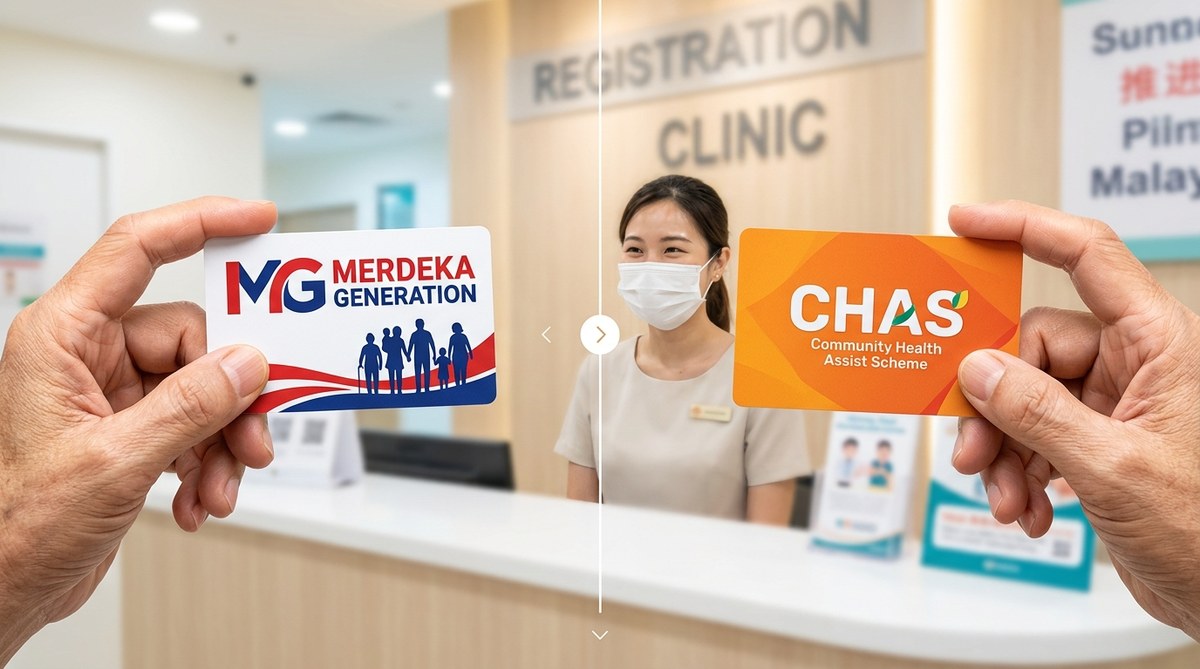
    • CHAS card: This card provides subsidies based on household income and is separate from the Merdeka Generation scheme. You can hold both cards and enjoy subsidies from both schemes at the same time.
    • Pioneer Generation card: This card is for Singaporeans born in 1949 or earlier. It offers similar benefits but is part of a different package. If you were born between 1950 and 1959, you belong to the Merdeka Generation, not the Pioneer Generation.
    • NRIC: Your identity card is essential for all transactions. The Merdeka Generation card is a supplementary card and does not replace your NRIC.

    When to Contact the Hotline

    Call the hotline if:

    • You have not received your replacement card after three weeks.
    • You need to update your address or personal details.
    • You are unsure whether you are eligible for the Merdeka Generation package.
    • A clinic refuses to apply your subsidies even after verifying your NRIC.

    The hotline operates on weekdays from 8am to 8pm and on Saturdays from 8am to 1pm. It is closed on Sundays and public holidays.

    Have your NRIC ready before calling. This speeds up the process and ensures the operator can assist you without delays.

    Why the Card Matters Even Though Benefits Continue

    The card is not mandatory, but it makes life easier.

    It serves as a visual cue for clinic staff. When you present the card, they immediately recognise your eligibility and apply the subsidies without needing to check the system. This saves time, especially during busy clinic hours.

    The card also acts as a reminder of your benefits. Many people forget which subsidies they are entitled to. Having the card on hand helps you remember to claim the full range of support available to you.

    Finally, the card is a symbol of recognition. It acknowledges your contributions to Singapore during the formative years of the nation. Carrying it is a small but meaningful way to connect with that history.

    Keeping Your Benefits Active

    Your Merdeka Generation status does not expire.

    Once you are registered, you remain eligible for life. There is no need to renew the card or reapply for benefits.

    However, you should keep your personal details updated. If you move house, change your phone number, or update your next-of-kin, inform the relevant government agencies. This ensures you continue to receive important updates and correspondence about your benefits.

    You can update your details through Singpass, at any community centre, or by calling the Merdeka Generation hotline.

    Moving Forward With Confidence

    Losing your Merdeka Generation card is inconvenient, but it does not affect your access to subsidies or support. Your benefits remain active, and getting a replacement is simple and free. Call the hotline, verify your details, and wait for the new card to arrive. In the meantime, continue visiting your clinics as usual. Your NRIC is all you need to confirm your eligibility and enjoy the full range of Merdeka Generation benefits. Keep your replacement card safe, and rest assured that your support is always there when you need it.

  • What Happens If You Lost Your Merdeka Generation Card

    Losing your Merdeka Generation card can feel stressful, especially when you rely on it for medical subsidies and outpatient care. The good news is that your benefits remain active even without the physical card. Your eligibility is tied to your NRIC, not the card itself. Still, having a replacement makes accessing services smoother and gives you peace of mind.

    Key Takeaway

    Your Merdeka Generation benefits stay active even if you lose your card. The card is a convenience tool, not a requirement. You can request a replacement by calling the hotline at 1800-650-6060. Clinics can verify your eligibility using your NRIC. Keep your replacement card safe by storing it with your CHAS card or in a dedicated cardholder to avoid future loss.

    Your Benefits Continue Without the Card

    Many people worry that losing the card means losing their subsidies.

    That is not true.

    Your Merdeka Generation status is registered in the national database. Polyclinics, CHAS clinics, and public specialist outpatient clinics can confirm your eligibility using your NRIC number. The card serves as a visual reminder and a convenient reference, but it does not control your access to benefits.

    If you visit a clinic without your card, simply inform the staff that you are a Merdeka Generation member. They will check your NRIC and apply the appropriate subsidies. This process takes a few extra seconds but does not affect your entitlements.

    Your MediShield Life premium subsidies and CareShield Life participation incentives also remain unaffected. These are tied to your identity, not to the physical card.

    How to Request a Replacement Card

    Getting a new card is straightforward.

    Follow these steps:

    1. Call the Merdeka Generation hotline at 1800-650-6060.
    2. Provide your NRIC number and confirm your personal details.
    3. Explain that you need a replacement card due to loss or damage.
    4. The operator will verify your eligibility and arrange for a new card to be mailed to your registered address.
    5. Wait for the card to arrive within two to three weeks.

    There is no fee for the replacement. The government provides this service at no cost because they recognise the importance of the card for daily use.

    If your registered address has changed, update it during the call. This ensures the card reaches you without delay. You can also update your address online through Singpass or at any government service centre.

    Keep your NRIC handy when you call. The hotline operator will need it to verify your identity and process the replacement request efficiently.

    What to Do While Waiting for Your Replacement

    You do not need to pause your medical visits.

    Continue visiting your regular clinics and polyclinics. Inform the reception staff that you are waiting for a replacement Merdeka Generation card. They will verify your status using your NRIC and apply the subsidies as usual.

    Some people prefer to carry a copy of their welcome letter or any previous correspondence from the Merdeka Generation office. This is optional but can speed up verification at clinics that are less familiar with the process.

    If you also have a CHAS card, bring it along. Many CHAS clinics are used to checking eligibility through multiple schemes, and having your CHAS card on hand can make the process smoother.

    Common Concerns About Lost Cards

    Here are the questions most people ask:

    • Will I be charged full price at the clinic? No. Once the clinic verifies your NRIC, you receive the same subsidies as before.
    • Can someone misuse my lost card? The card has no financial value on its own. It cannot be used to withdraw money or access your accounts. It simply identifies you as a Merdeka Generation member.
    • Do I need to report the loss to the police? No. Unlike losing your NRIC or passport, there is no need to file a police report for a lost Merdeka Generation card.
    • What if I find the old card after receiving the replacement? You can keep both. The new card will have the same information. There is no harm in having a spare.

    Comparing Card Loss Scenarios and Solutions

    Different situations require slightly different approaches. This table breaks down the most common scenarios:

    Scenario What Happens Action to Take
    Card lost at home Benefits continue, card may turn up Request replacement if not found within a week
    Card lost outside Benefits continue, unlikely to recover Call hotline immediately for replacement
    Card damaged but readable Benefits continue, card still usable Request replacement if it causes issues at clinics
    Card damaged and unreadable Benefits continue, card not usable Call hotline for replacement right away
    Address changed since receiving card Benefits continue, new card sent to old address Update address before requesting replacement

    Preventing Future Loss

    Once you receive your replacement, take steps to keep it safe.

    Store it in a dedicated cardholder or wallet compartment. Many people keep their Merdeka Generation card together with their CHAS card, since both are used at the same clinics.

    Avoid carrying the card loose in your pocket or bag. It can easily slip out or get damaged.

    If you rarely visit the doctor, consider keeping the card at home in a safe place. Bring it along only when you have an appointment. This reduces the risk of losing it during daily errands.

    Some people take a photo of the card and store it on their phone. While the photo cannot replace the physical card, it provides a reference if you need to recall the card number or other details.

    Understanding the Merdeka Generation Package

    The card is part of a broader support package designed for Singaporeans born between 1950 and 1959. If you are unsure whether you qualify or want to confirm your benefits, you can check if you qualify for the Merdeka Generation Package in 2024.

    The package includes:

    • Additional subsidies at CHAS clinics, polyclinics, and specialist outpatient clinics.
    • Extra MediShield Life premium subsidies to reduce your annual insurance costs.
    • Additional participation incentives for CareShield Life, a long-term care insurance scheme.

    These benefits are automatic. You do not need to apply separately for each subsidy. Once you are registered as a Merdeka Generation member, the subsidies apply whenever you visit a participating clinic or facility.

    What Clinics Need to Know

    Most clinics are familiar with the Merdeka Generation scheme.

    When you visit without your card, the staff will ask for your NRIC. They enter it into their system, which connects to the national database. The system confirms your eligibility and applies the subsidies to your bill.

    This process is the same whether you have the card or not. The card simply speeds up the verification by a few seconds.

    If a clinic is unsure or encounters a technical issue, ask them to call the Merdeka Generation hotline for assistance. The hotline can confirm your status over the phone and guide the clinic on how to proceed.

    Other Cards You Might Confuse With the Merdeka Generation Card

    Some people mix up their Merdeka Generation card with other cards.

    Here are the main differences:

    • CHAS card: This card provides subsidies based on household income and is separate from the Merdeka Generation scheme. You can hold both cards and enjoy subsidies from both schemes at the same time.
    • Pioneer Generation card: This card is for Singaporeans born in 1949 or earlier. It offers similar benefits but is part of a different package. If you were born between 1950 and 1959, you belong to the Merdeka Generation, not the Pioneer Generation.
    • NRIC: Your identity card is essential for all transactions. The Merdeka Generation card is a supplementary card and does not replace your NRIC.

    When to Contact the Hotline

    Call the hotline if:

    • You have not received your replacement card after three weeks.
    • You need to update your address or personal details.
    • You are unsure whether you are eligible for the Merdeka Generation package.
    • A clinic refuses to apply your subsidies even after verifying your NRIC.

    The hotline operates on weekdays from 8am to 8pm and on Saturdays from 8am to 1pm. It is closed on Sundays and public holidays.

    Have your NRIC ready before calling. This speeds up the process and ensures the operator can assist you without delays.

    Why the Card Matters Even Though Benefits Continue

    The card is not mandatory, but it makes life easier.

    It serves as a visual cue for clinic staff. When you present the card, they immediately recognise your eligibility and apply the subsidies without needing to check the system. This saves time, especially during busy clinic hours.

    The card also acts as a reminder of your benefits. Many people forget which subsidies they are entitled to. Having the card on hand helps you remember to claim the full range of support available to you.

    Finally, the card is a symbol of recognition. It acknowledges your contributions to Singapore during the formative years of the nation. Carrying it is a small but meaningful way to connect with that history.

    Keeping Your Benefits Active

    Your Merdeka Generation status does not expire.

    Once you are registered, you remain eligible for life. There is no need to renew the card or reapply for benefits.

    However, you should keep your personal details updated. If you move house, change your phone number, or update your next-of-kin, inform the relevant government agencies. This ensures you continue to receive important updates and correspondence about your benefits.

    You can update your details through Singpass, at any community centre, or by calling the Merdeka Generation hotline.

    Moving Forward With Confidence

    Losing your Merdeka Generation card is inconvenient, but it does not affect your access to subsidies or support. Your benefits remain active, and getting a replacement is simple and free. Call the hotline, verify your details, and wait for the new card to arrive. In the meantime, continue visiting your clinics as usual. Your NRIC is all you need to confirm your eligibility and enjoy the full range of Merdeka Generation benefits. Keep your replacement card safe, and rest assured that your support is always there when you need it.

  • How to Check If You Qualify for the Merdeka Generation Package in 2024

    How to Check If You Qualify for the Merdeka Generation Package in 2024

    If you were born in the 1950s and contributed to Singapore’s early years of independence, the government has set aside special healthcare benefits just for you. The Merdeka Generation Package offers substantial subsidies and support, but many seniors remain unsure whether they actually qualify or how to confirm their status.

    Key Takeaway

    The Merdeka Generation Package covers Singaporeans born between 1950 and 1959 who became citizens by 31 December 1996. Eligibility is automatic, requiring no application. Benefits include outpatient care subsidies, MediShield Life premium support, and CareShield Life incentives. Your Merdeka Generation card serves as proof of eligibility at all participating healthcare facilities across Singapore.

    Who Qualifies for the Merdeka Generation Package

    The eligibility criteria are straightforward, but understanding the exact requirements helps you determine your status without confusion.

    You qualify if you meet all three conditions:

    • Born between 1 January 1950 and 31 December 1959
    • Singapore citizen
    • Obtained citizenship on or before 31 December 1996

    The birth year range is firm. Someone born on 1 January 1950 qualifies. Someone born on 31 December 1959 also qualifies. But if you were born on 1 January 1960, you fall outside the eligibility window, even by a single day.

    The citizenship date matters because the government wanted to recognise those who contributed during Singapore’s formative years. If you became a citizen in 1997 or later, you won’t qualify even if your birth year falls within the range.

    Why These Specific Years Matter

    The Merdeka Generation refers to Singaporeans who came of age around the time of independence in 1965. Those born in the 1950s would have been between 5 and 15 years old at independence, experiencing firsthand the challenges of nation building.

    This generation grew up without many modern conveniences. They witnessed the transformation from kampong life to high rise estates. Many left school early to support their families during economically difficult times.

    The package acknowledges these contributions with tangible healthcare support during retirement years.

    Checking Your Eligibility Status

    How to Check If You Qualify for the Merdeka Generation Package in 2024 - Illustration 1

    Most eligible seniors received their Merdeka Generation card by mail between 2019 and 2020. The card arrived at your registered address with the Immigration & Checkpoints Authority.

    If you haven’t received a card but believe you qualify, here’s how to verify:

    1. Check your birth certificate or NRIC to confirm your birth year falls between 1950 and 1959
    2. Verify your citizenship date through your citizenship certificate or contact ICA
    3. Call the Merdeka Generation hotline at 1800-2222-888 to confirm your status
    4. Visit any Community Centre or Silver Generation Office for in person assistance

    The hotline operates Monday to Friday from 8am to 8pm, and Saturday from 8am to 2pm. Closed on Sundays and public holidays.

    “Many seniors worry they’ve missed out because they lost their card or never received one. Your eligibility doesn’t expire. The benefits remain available regardless of whether you have the physical card. Healthcare providers can verify your status using your NRIC.” — Ministry of Health spokesperson

    What If You Lost Your Card

    Losing your Merdeka Generation card doesn’t affect your benefits. Healthcare providers verify eligibility through their systems using your NRIC number.

    However, having the card makes the process smoother at clinics and hospitals. You can request a replacement card through these channels:

    • Call the Merdeka Generation hotline at 1800-2222-888
    • Visit any Community Centre with your NRIC
    • Submit an online request through the Ministry of Health website

    Replacement cards typically arrive within two weeks at your registered address.

    Understanding Your Package Benefits

    The Merdeka Generation Package provides three main categories of support that work together to reduce your healthcare costs.

    Additional Outpatient Care Subsidies

    You receive higher subsidies when visiting participating clinics and polyclinics. These subsidies apply on top of existing CHAS benefits if you already have a CHAS card.

    Healthcare Setting Additional Subsidy Frequency
    CHAS GP clinics $15 per visit Up to 450 visits per year
    CHAS dental clinics $37.50 per visit Up to 10 visits per year
    Polyclinics $15 per visit Up to 450 visits per year
    Specialist Outpatient Clinics $18.75 per visit Unlimited

    The 450 visit limit per year applies across both CHAS clinics and polyclinics combined. Most seniors use between 12 to 24 visits annually, so the limit accommodates even frequent healthcare needs.

    MediShield Life Premium Subsidies

    Your MediShield Life premiums receive permanent subsidies ranging from 5% to 20%, depending on your birth year cohort. Older members of the Merdeka Generation receive higher subsidy percentages.

    These subsidies apply automatically. You don’t need to do anything. The reduced premium amount appears on your annual CPF statement.

    For example, if your annual MediShield Life premium is $800 and you receive a 15% subsidy, you pay only $680. The $120 difference adds up significantly over your remaining years.

    CareShield Life Participation Incentives

    CareShield Life provides cash payouts if you become severely disabled and need help with daily activities. Merdeka Generation seniors who join receive special incentives.

    If you sign up, you get:

    • $2,500 one time payout upon joining
    • 30% premium subsidy for life
    • Coverage starting immediately upon approval

    The scheme pays $600 monthly (as of 2024) when you can’t perform at least three activities of daily living independently. The payout increases annually to keep pace with inflation.

    Common Eligibility Questions Answered

    How to Check If You Qualify for the Merdeka Generation Package in 2024 - Illustration 2

    Can New Citizens Qualify

    No. The citizenship date cutoff of 31 December 1996 is firm. Even if you were born in 1955 but became a citizen in 2000, you don’t qualify for the Merdeka Generation Package.

    However, you may qualify for other healthcare schemes like CHAS based on your current household income and assessment status.

    What About Permanent Residents

    Permanent Residents don’t qualify regardless of birth year or how long they’ve lived in Singapore. The package specifically recognises citizens who contributed during the nation’s early development.

    PRs may access other subsidies and schemes available to Singapore residents, but not the Merdeka Generation benefits.

    Do You Need to Apply Annually

    No. Eligibility is permanent and automatic. Once you qualify, you remain eligible for life. Benefits don’t expire and require no renewal.

    You also don’t need to reapply when you visit different clinics or hospitals. The system recognises your status automatically through your NRIC.

    What Happens If You Move Overseas

    Your eligibility continues even if you live abroad. When you return to Singapore and visit healthcare facilities, your benefits apply as usual.

    However, the subsidies only work at participating Singapore healthcare providers. They don’t extend to overseas medical care.

    How Healthcare Providers Verify Your Status

    When you visit a clinic or hospital, reception staff check your eligibility through a secure government database. The process takes seconds.

    You simply need to present your NRIC or show your Merdeka Generation card. The system immediately confirms your status and applies the appropriate subsidies to your bill.

    No special registration is needed at each new clinic. The verification works at all participating CHAS clinics, polyclinics, and public hospitals across Singapore.

    Which Healthcare Facilities Participate

    Over 2,000 clinics across Singapore accept the Merdeka Generation benefits:

    • All polyclinics
    • All public hospital specialist outpatient clinics
    • More than 1,800 CHAS GP clinics
    • Over 450 CHAS dental clinics

    You can find participating clinics near your home using the clinic locator on the CHAS website. Search by postal code or neighbourhood name to see available options.

    Maximising Your Package Benefits

    Understanding eligibility is just the first step. Using your benefits effectively helps you manage healthcare costs throughout retirement.

    Combine With Other Subsidies

    The Merdeka Generation subsidies stack on top of regular CHAS subsidies. If you have a CHAS card based on your income assessment, you receive both sets of benefits together.

    For instance, at a CHAS clinic, you might get:

    • $18.50 CHAS subsidy for a chronic condition visit
    • $15 Merdeka Generation subsidy
    • Total subsidy: $33.50 per visit

    This stacking significantly reduces your out of pocket costs for regular medical care.

    Use Preventive Care Services

    Your subsidies apply to preventive screenings and health assessments, not just treatment for existing conditions. Regular health monitoring helps catch problems early when they’re easier and cheaper to treat.

    Many seniors avoid regular checkups due to cost concerns. With your subsidies, these visits become much more affordable.

    Keep Your Address Updated

    Ensure your registered address with ICA stays current. Important updates about the package, including any benefit enhancements or new participating clinics, arrive by mail.

    You can update your address online through the ICA website or at any Community Centre.

    Special Considerations for Adult Children

    If you’re helping elderly parents navigate their healthcare benefits, knowing their Merdeka Generation status helps you plan their medical care and budget accordingly.

    Helping Parents Verify Eligibility

    Many seniors in this age group aren’t comfortable with technology or making phone calls to government agencies. As an adult child, you can assist by:

    • Checking their birth year on their NRIC
    • Calling the hotline on their behalf with their NRIC number ready
    • Accompanying them to a Community Centre for in person verification
    • Helping them locate their Merdeka Generation card if misplaced

    Choosing Healthcare Providers

    When selecting doctors or clinics for your parents, prioritise CHAS participating providers where their Merdeka Generation subsidies apply. This reduces their medical expenses substantially over time.

    The clinic locator tool helps you find participating providers near their home or yours, making it easier to accompany them to appointments.

    What the Package Doesn’t Cover

    Understanding the limitations helps set realistic expectations.

    The Merdeka Generation Package doesn’t provide:

    • Direct cash payments (except the one time CareShield Life incentive)
    • Coverage for overseas medical treatment
    • Full payment of medical bills (subsidies reduce but don’t eliminate costs)
    • Coverage for alternative medicine or non approved treatments
    • Benefits transferable to family members

    The package works best when combined with other financial planning tools like MediSave, supplementary health insurance, and personal savings for healthcare.

    Staying Informed About Package Updates

    The government periodically enhances benefits or adds new participating providers. Staying informed ensures you don’t miss out on improvements.

    Official Information Sources

    Get updates from these reliable channels:

    • Ministry of Health website
    • Merdeka Generation hotline announcements
    • Letters sent to your registered address
    • Community Centre notice boards
    • Silver Generation Office advisors

    Avoid relying solely on social media or word of mouth, which sometimes spread outdated or incorrect information.

    Making the Most of Your Merdeka Generation Status

    Your eligibility represents recognition for your contributions to Singapore’s development. The benefits provide meaningful support for managing healthcare costs during retirement.

    Check your status if you haven’t already. Request a replacement card if you’ve lost yours. Familiarise yourself with participating clinics near your home. And most importantly, actually use the benefits when you need medical care.

    The subsidies work best when you maintain regular contact with healthcare providers for preventive care and early treatment of health concerns. Don’t let uncertainty about eligibility stop you from getting the care you need. If you were born in the 1950s and became a citizen by 1996, these benefits are yours by right, designed specifically to support you through your retirement years.